
7 Ways to Improve Insulin Sensitivity Naturally: Why Hundreds of Insulin-Resistant Clients Have Sought Coach Remington's Help

Table of Contents
Why Insulin Resistance Makes Fat Harder to Lose and Muscle Harder to Keep
Insulin Resistance Symptoms and Foods That Help Insulin Sensitivity
Body Composition Tracking, Muscle, and the Glyco-Cycle Approach
The 7 Ways to Improve Insulin Sensitivity Naturally
What This Means for You
Frequently Asked Questions
Last Updated: October 16, 2026
By Coach Charles Remington, The Fat Loss Coach · Founder of MBO Clinic (Metabolic Body Optimization) · Creator of the Glyco-Cycle®
Why Insulin Resistance Makes Fat Harder to Lose and Muscle Harder to Keep
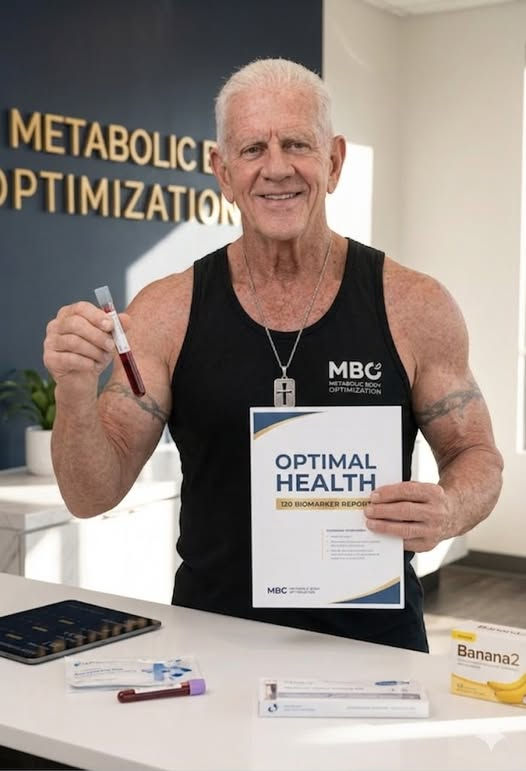
I've coached fat loss for 35 years and worked with nearly 19,000 clients. Over that time, hundreds of insulin-resistant men and women have come to me after doing everything they were told and still watching the belly stay put. Some were sent by their own doctors. More than a few were doctors themselves. Almost all of them said the same thing: "This isn't something I used to have to manage."
When insulin sensitivity drops, your body gets worse at moving sugar out of your blood into your cells. Insulin rises, fat gets harder to release, and muscle gets harder to hold onto, especially as hormone shifts come with age.
Here's the part most people miss: weight loss is not fat loss. You can watch the scale drop while losing muscle, a worse outcome. Muscle is your biggest sugar-burning tissue; lose it and your insulin sensitivity gets worse.
Insulin Resistance Symptoms and Foods That Help Insulin Sensitivity
The clues usually show up long before a diagnosis. Common insulin resistance symptoms include fatigue after meals, belly fat that won't budge, cravings an hour or two after eating, feeling shaky if you skip a meal, and afternoon brain fog. If several sound familiar, that's a pattern worth testing, not guessing at.
Foods that help insulin sensitivity tend to be low-glycemic, protein, fiber, vegetables, and carbohydrates that digest slowly. Order matters too: protein first, then vegetables, then carbohydrates. Protein and fiber also help your body release its own GLP-1, which supports fullness and steady blood sugar.
Body Composition Tracking, Muscle, and the Glyco-Cycle Approach
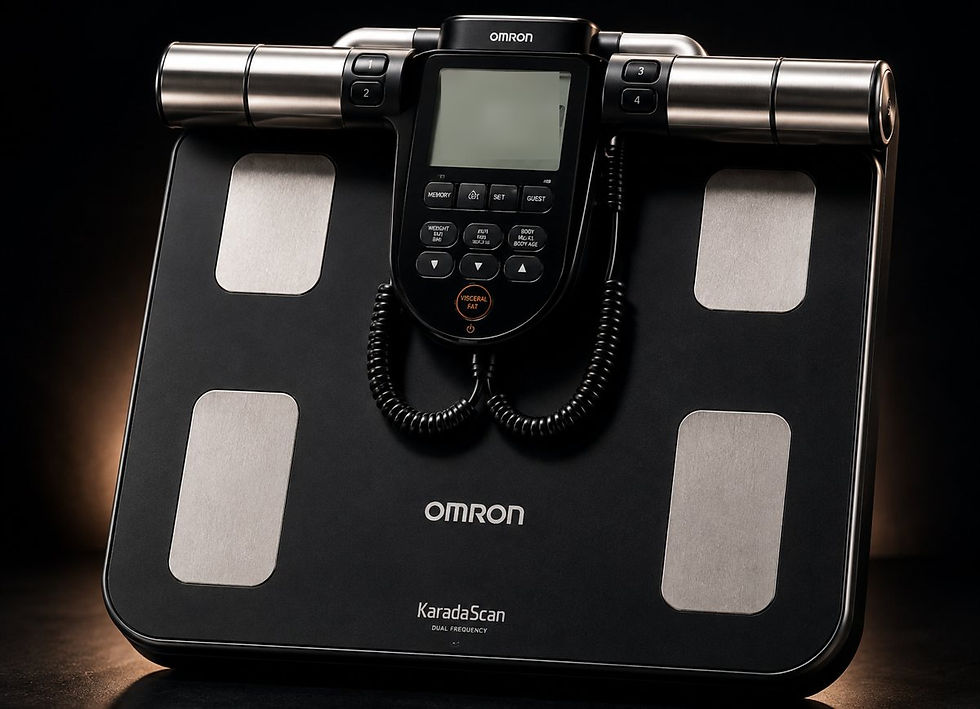
You can't coach what you don't measure, which is why body composition tracking matters more than the scale. At Metabolic Body Optimization, a 120-biomarker blood panel and Omron body-composition analysis show fat mass, lean muscle, visceral fat, and hydration, what kind of change is actually occurring.
What We Track | What It Tells Us | Why It Matters |
Fat mass | How much fat you're losing | The real goal, not weight |
Lean muscle | Whether you're holding muscle | Muscle burns sugar |
Visceral fat | Fat around your organs | A key metabolic signal |
Hydration | How your body is responding | Affects every reading |
120 biomarkers | What's happening underneath | The clues behind the pattern |
The 7 Ways to Improve Insulin Sensitivity Naturally

1. Cycle Your Calories with the Glyco-Cycle®
The Glyco-Cycle® runs on a repeating 3-day pattern. Days 1 and 2 are for fat loss. Day 3 is recovery. Because food cycles on and off, your body never settles into a plateau, and insulin gets regular breaks instead of running high all day. The long-term goal is to "live in day three": built-in maintenance at your ideal weight. That's how I live at 71.
2. Choose Low-Glycemic Carbohydrates
You don't have to give up carbohydrates. You choose the ones that release slowly. Steady blood sugar means steady insulin, and steady insulin means stored fat stays easier to reach.
3. Eat Protein First
Order matters. Protein first, then vegetables, then carbohydrates. The same meal eaten in that order blunts the blood-sugar spike that keeps insulin high.
4. Let Food Trigger Your Natural GLP-1
Protein, fiber and food order help your body release its own GLP-1, which supports fullness and steady blood sugar. GLP-1 medications keep that signal "on." The Glyco-Cycle® turns it on and off by design, which is how clients lose fat without losing muscle. If you're already on a GLP-1, I coach many people who are. The goal stays the same: protect your muscle.
5. Protect and Build Muscle
Muscle is your body's biggest sugar-burning tissue. Lose it and insulin sensitivity gets worse; build it and your body handles sugar better. In 35 years, I've never met a client with too much muscle.
6. Measure, Don't Guess
A 120-biomarker blood panel shows what's happening inside. Omron body-composition tracking shows fat, muscle and visceral fat, not just weight. At 21 days we re-check and adjust. The numbers and the clues, read together.
7. Eat Foods You Actually Like
Every MBO Clinic menu is built from everyday grocery-store foods you already enjoy. If a plan doesn't last, it doesn't work. The comment I've heard most in 35 years: "Coach took away all the guesswork."
Nutrition, activity, hydration, and behavioral change start on day one, baseline testing shapes personalization, it isn't a waiting period. At 21 days, we re-check body composition to see what kind of change actually happened, then adjust.
The 24 weeks exist because real change needs accountability, not because results are slow. Some of the most dramatic shifts I've seen happen in the first 21 days, because behavior changes immediately while the body meets the Glyco-Cycle® for the first time. One client lost 67 pounds and went from 44% to 22% body fat; another dropped 23.6 pounds of fat while gaining 8.4 pounds of muscle. Same principle every time: strip fat, keep muscle.

What This Means for You
Insulin resistance is not one number. It's a pattern, and the pattern is individual, your blood chemistry, body composition, history, and daily habits all feed into it. Work with your doctor on anything medical, especially if you take medication. If you've been stuck, guessing at what's wrong, that's the signal: you don't need another generic plan, you need to know what's actually happening in your body.
About Coach Remington: For 35 years I've coached fat loss, including three offices inside doctors' practices, where the doctors were my clients first. I created the Glyco-Cycle® and founded MBO Clinic (Metabolic Body Optimization) to put that experience together with modern blood testing and body-composition tracking. Our clients have given us 126 five-star Google reviews. Consultations are available at our office by appointment, and virtually nationwide.
Request your free consultation at mboclinic.com, book at https://oncehub.com/mbo-clinic, or call or text my assistant Iris at (772) 946-1328.
Frequently Asked Questions
Can improving insulin sensitivity help with weight loss?
It can change what kind of weight you lose. When insulin sensitivity improves, your body handles blood sugar more steadily, which makes stored fat easier to access and helps protect lean muscle. That distinction matters because the scale cannot tell you whether you lost fat or muscle. In my experience, clients who track both see the difference clearly. Work with your doctor before making changes, especially if you take medication.
How can I tell whether I am losing fat or muscle?
The scale alone cannot tell you. Body composition tracking measures fat mass, lean muscle, visceral fat and hydration separately, so you see the pattern rather than one number. I use an Omron body-composition analysis at baseline and again at 21 days to measure what kind of change actually occurred. That is what tells me whether to adjust the plan. Ask your doctor about testing options that fit your situation.
What are the signs of insulin resistance?
Common clues include stubborn belly fat, energy crashes after meals, strong cravings, and fat that will not budge no matter how little you eat. Many clients tell me, "This isn't something I used to have to manage." Symptoms alone do not confirm anything. Blood testing gives you the actual picture. Talk with your doctor about whether testing is appropriate for you.

Comments