
How to Reduce Visceral Fat Naturally: Why No One-Size-Fits-All Plan Works

Oct 9, 2026 · @Coach
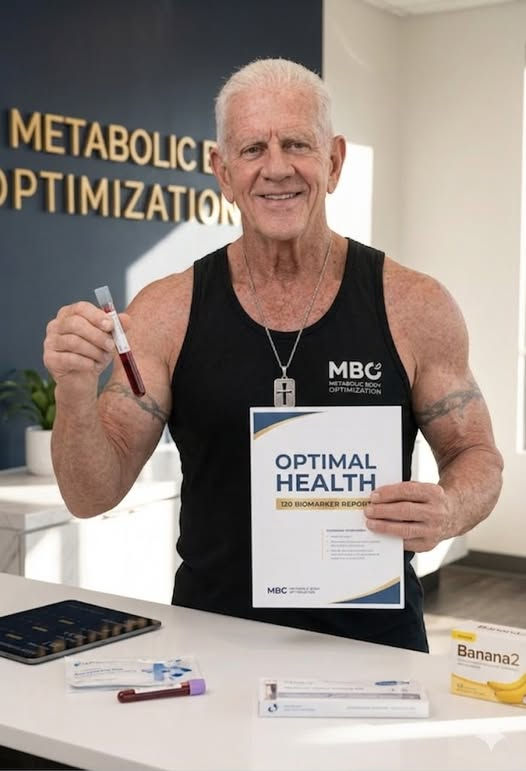
By Coach Charles Remington, Founder, Metabolic Body Optimization
I'm Coach Charles Remington. I've coached fat loss for 35 years and nearly 19,000 clients. Here's the first thing I tell every woman who sits across from me: your scale is a liar.
It measures weight, not fat. It has no idea where that fat lives. And where it lives matters more than how much you have.
Visceral Fat vs. Subcutaneous Fat: The Small Amount That Does the Most Damage
Most of your body fat is subcutaneous fat, the soft fat just under your skin that you can pinch. It's the fat most women worry about in the mirror, but it is not the most dangerous fat you carry.
I tell every audience the same thing: the most dangerous enemies are the ones hiding.
Visceral fat is different. It sits deep inside your abdomen and wraps around your organs: your liver, pancreas, stomach, intestines, kidneys and heart. It's a much smaller amount; a common rule of thumb is about 10% of your total body fat. But it does far more harm than its size suggests.
Visceral fat isn't just stored energy. It is chemically active tissue. It releases inflammatory substances and a steady stream of fatty acids that drain straight to your liver. Over time, that disrupts how your body handles blood sugar and insulin. Research links excess visceral fat to:
Insulin resistance and type 2 diabetes
Heart disease and high cholesterol
Fatty liver disease
A higher risk of some cancers
So two women can weigh exactly the same and carry the same amount of total fat, and one can be at far greater risk, because more of her fat sits around her organs. The scale will never tell you which woman you are.
Here's the good news: visceral fat often responds faster than subcutaneous fat to the right changes. That's why the first step is always to measure it.
Normal BMI, High Visceral Fat: When Your Numbers Look Fine but Your Body Doesn't
A normal BMI with too much visceral fat is far more common in women over 45 than most people realize. BMI only compares your height to your weight. It can't see muscle, it can't see hydration, and it can't see where your fat is stored.
After menopause, estrogen drops and the body shifts fat storage toward the abdomen, and more of it goes visceral. That's why so many women tell me, "This isn't something I used to have to manage." Their waist creeps up while the scale barely moves, and they're told everything looks fine.
How I Measure Visceral Fat (Because Guessing Is How Programs Fail)
Visceral fat can't be seen or pinched, so it has to be measured. A tape measure gives you a rough warning sign: a waist of 35 inches or more in women signals higher risk. But a trend isn't a strategy.
Before I say a word about food, I measure:
Body fat percentage and visceral fat rating on the Omron body-composition monitor
Lean muscle mass, the engine of your metabolism
Resting metabolism
A 120-biomarker blood panel, including blood sugar, inflammation and hormone-related markers
Then I re-check at 21 days. Not to grade you, but to see exactly what changed (fat, muscle, visceral fat, hydration) and adjust your plan. Every client receives their own Omron monitor, so you can watch your progress at home instead of trusting a scale that lies.
The 7 Ways I Reduce Visceral Fat Naturally
These are the seven principles behind the Glyco-Cycle®, the personalized nutrition system I've refined over 35 years. None of them works as a one-size-fits-all rule. Each one is fitted to your measurements, your history and the foods you actually like.
1. Measure first, then build the plan. I never guess. Your Omron results and 120-biomarker blood panel are the clues that tell me how your body stores and releases fat. Two women with the same goal can need very different plans.
2. Eat for fat loss, not weight loss. The goal is shrinking fat, especially visceral fat, while protecting muscle. Lose muscle and your metabolism drops, so the fat returns faster than before. In 35 years, I've never met a client with too much muscle.
3. Manage your blood sugar every four hours. Think of your hormones like hot and cold water. Insulin stores; glucagon releases. Turn one on and the other turns off. Four balanced meals, about four hours apart, keep your blood sugar in a steady zone so your body can switch into releasing stored fat between meals, instead of storing it after a spike or holding on to it after a crash.
4. Cycle, don't starve. Glyco-Cycle® runs on a repeating three-day rhythm: two fat-burning days, then one recovery day with more carbohydrate to refill your muscles. Cutting hard every day teaches your body to slow down and hold on. Cycling keeps it responding.
5. Feed the muscle, not just the protein count. "Eat more protein" is today's popular advice, but extra protein isn't stored. Your body strips off the nitrogen, your liver and kidneys clear it, and the rest is burned or stored as energy. What protects muscle is the right balance of protein and carbohydrate at the right times, so your body never needs to break muscle down for fuel. About 30% protein, 50% carbohydrate and 20% healthy fat is where most of my clients start.
6. Move every day and build muscle. Walking counts: aim for at least three hours a week. Add resistance training to protect and build muscle. Schedule exercise so a meal follows it, because muscles store carbohydrate best in the two hours after a workout.
7. Protect your sleep, manage stress and skip liquid calories. Stress and poor sleep raise cortisol, which drives fat into the visceral area. Alcohol, juice and soda add sugar without satisfying hunger. Water is your drink; caffeine is best after a meal, not before.
The bottom line: the Omron provides the numbers. Blood chemistry provides the clues. Coaching turns both into a personalized strategy. No single step above means much on its own; together, fitted to you, they work.
If You're Taking a GLP-1 Medication
GLP-1 medications can help with appetite and blood sugar, but they keep a hormone signal switched on around the clock. They don't tell you whether you're losing fat or muscle, and they don't fit your food timing to your body. I work with clients on GLP-1 therapy, alongside their doctor, to protect muscle with the right balance and timing of meals. Glyco-Cycle® works with your body's own hormone response through food. It doesn't replace or work like medication, and any medication decisions stay between you and your doctor.
How to Lose Belly Fat Without Losing Muscle
Muscle is the asset. Fat is the liability. Most programs treat them the same and cost you both.
One client, a 65-year-old retired nurse, is the example I use most. Her BMI was normal. Her body fat was 34.6%. I predicted she would lose 1.25 pounds of fat per week; she lost 1.277. I predicted she would gain 2 pounds of muscle in 12 weeks; she gained 3, eating foods she already liked from her local grocery store. Individual results vary, and I never promise a number. But I always measure one.
A word on supplements: be careful. The market is full of unproven fat-loss products, and some carry real risk. No pill replaces measurement, food timing and accountability.
Your Next Step
If your weight looks "fine" but your body isn't responding the way it used to, it's time to find out what your scale isn't telling you.
Book your free 30-minute Metabolic Strategy Consultation: https://oncehub.com/mbo-clinic Or call Iris: (772) 946-1328
Coaching is available nationwide.
Frequently Asked Questions
What's the difference between visceral fat and subcutaneous fat? Subcutaneous fat sits under your skin and makes up most of your body fat. Visceral fat is a much smaller amount that wraps around your organs, and it's the more dangerous of the two because it's chemically active and linked to diabetes, heart disease, fatty liver disease and some cancers. A free consultation with body-composition testing shows how much of each you carry.
Can you have visceral fat with a normal BMI? Yes, and I see it constantly. BMI measures weight relative to height, not where that weight sits or what it's made of. A 65-year-old client had a normal BMI and 34.6% body fat. If your doctor says your weight is fine but your body feels different, get the data with a free consultation.
How long does it take to reduce visceral fat? Visceral fat often responds faster than other fat once the right variables change. I re-measure at 21 days, and many clients already see fat down and muscle protected. Lasting results come from continued coaching and adjustment. Individual results vary.
How can I tell whether I'm losing fat or muscle? The scale can't tell you. You need body-composition data that separates fat from lean muscle. That's why every MBO client receives their own Omron monitor and is re-measured at 21 days.
I'm on a GLP-1 medication. Can I still reduce visceral fat? Yes. GLP-1 medications can help with appetite, but they don't protect your muscle or fit your meals to your body. I work with clients on GLP-1 therapy, alongside their doctor, to protect muscle while reducing fat. Book a consultation to see what's missing.
Book your free consultation: https://oncehub.com/mbo-clinic or call Iris at (772) 946-1328.
The MBO program is not designed to treat, diagnose or cure any disease. Individual results vary.
Sources


Comments